
Madam Jade-
She stepped off of the train and onto the streets of Butte in 1892 wearing silk shoes and a veil of mauve. Nobody remembers her real name, only that she brought along a trunk heavier than a miner’s haul. Within weeks she purchased the Mercury Street building. There, she sold tea out of her teahouse that miners swore could cure black lung or soothe a broken heart. During her years in Butte, she adeptly acquired worthless mining claims that would suddenly hit huge deposits of ore. Although several mining moguls tried to woo her, she replied that “They should not try to own what they cannot understand”. She disappeared in 1912. Some say that she returned to the orient and others say she got lost in the mines looking for something more ancient than copper. Miners to this day, leave a copper penny on her teahouse doorstep on New Years Eve, to bring good fortune and good health.

Mrs. Plume –
They called her Mrs. Plume because nobody dared to call her by her first name. She was barely five feet tall, but her feathered hats added at least 8 inches and her opinions, 8 inches more. A widow 3 times over, she sat in a mansion above the smelter smoke sipping wine and judging all below. She never entered a mine but owned shares in 17 and once sued a man for looking insolent - and won.
Her real legend began after her death in 1906. Her coffin was lined with peacock feathers and the procession blocked all traffic for 3 hours with men of importance from all across the world in attendance.
Then came the sightings – a feather drifting down a mine shaft before a cave in. Cups rattling if someone cussed and echoes of her familiar ‘tisk’ in shafts deep below ground. If you heard that sound, you would best apologize to both the spirits and to anyone alive that you had offended that day.

Reginald Thorne.
– He arrived in Butte in 1894 wearing gloves as white as the snow on Mount Baldy. They called him ‘The Baron’ and he never worked in the mines. He bought them. And he bought the men who worked in them. And he bought the newspapers they read. His workers claimed that he had veins of copper and a heart of slag.
He built a mansion in the Hollow Hills overlooking the slag heaps and his mines. The mansion had all of the modern trappings such as gas lamps and velvet wallpaper and three kitchens, performing stages and writing rooms. He held weekly parties that made the actual copper kings jealous. But eventually people stopped coming to them and no one stopped to say hello to him on the street. He never married and never mingled with the working class. Instead, it is said, he would stand every night on his balcony overlooking Butte, sipping Cognac and writing letters to… no one.
Only 2 people attended his funeral – his lawyer in a white wig and Father Jim.
And then came his will..
It turned out that he had a vast worldly fortune unlike any had seen. His first request was to build an opera house in Butte and a kitchen for the orphanage so large that it could feed half the county. His second request was to build a great amusement park on the outskirts of Butte. He instructed his workers to look through his mansion for bonus checks and blueprints.
It was then that they learned of a most peculiar side to The Baron. In his multiple rooms were untold treasures - but not of gold, copper or silver.
It was of poetry, paintings, and scripts for plays.
His amusement park has long since burned down and his mansion swallowed by the mines, but The Baron lives on in his plays and paintings. On his gravestone lies Thorne’s final words, “Strive not for gold in the bank nor trappings that dazzle the elite, but for a heart of gold and a life rich in dreams. For what is luxury, if the soul beneath is bankrupt?”
Jack McCradey-
They say Jack had a smile so bright it could light up a mining tunnel. He showed up in Butte in 1903 with nothing but an Irish brogue, a harmonica and a face that could make the ladies of Venus Alley blush. He whistled while he worked, played harmonica in the bars and tipped his hat to every soul on Granite Street. But he wasn’t just a good-looking chap. - He was lucky. One day when he was working a solo shift on an abandoned stope, he struck something strange. It was not silver nor copper, but Blue Gold. Nobody believed him until he bought everyone rounds at the saloon with a nugget the size of a baseball and the color of the Montana sky in July.
He was last seen in Butte in the spring of 1920. Some say he moved back to Dublin with a dancer. Some say they saw him in Helena dressed in a velvet coat. His mine caved in soon after and blue gold was never discovered again in any mine anywhere. But some say that when you hear his unmistakable off tune whistle or distant echoes of his harmonica deep in the mines, you should dig just a bit further to find an unexpected treasure of luck.
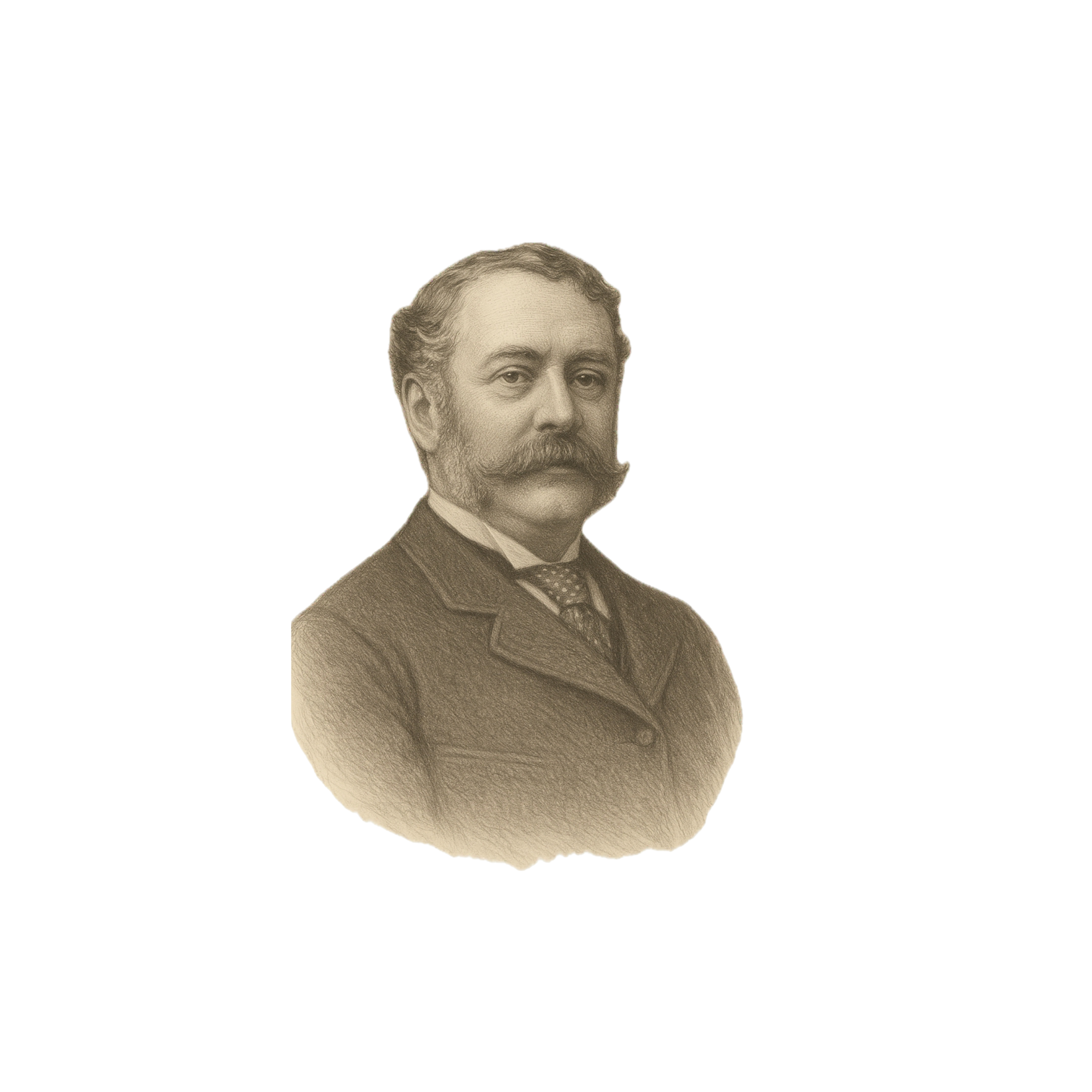
Irish Tommy – Some say he was the first rap artist and some say that he hit his head too hard in a cave-in. But, whichever the thought, Irish Tommy was pure Butte. Anyone walking down Dublin Street could hear his rhythmic rhymes cascading across a surrounding crowd. Sometimes in limericks and sometimes in prose, his sermons and opinions were hidden in his words beneath. It is said that he could hardly talk without rhyming.
It wasn’t until 1917 that people noticed something peculiar in his messages. He began to weave his usual fire and brimstone sermons into rhymes about the mines. Soon afterwards came the horrific mining fire of 1917 – killing 168 men. He began to poke at the mining companies in his usual off the cuff rap style – accusing them of poor safeguards. People listened. Within a year, a national reform of mining conditions and safety was passed into law.
Over the next year came riddles and rhymes about an upcoming plague, a great Montana drought, and pictures that were carried on electric waves. He disappeared suddenly one night in 1919. Some say he died of the Spanish Flu that unexpectantly swept through. Some say he that his limericks about Marcus Daily’s supposed affair with Madam Bussell should have been more subtle. But whether Poet, Preacher or Prophet, Tommy somehow managed to make his mark on Montana in a manner that was mysteriously ahead of his time.
Sister Francisco Borrelia Magdalena de Delores-
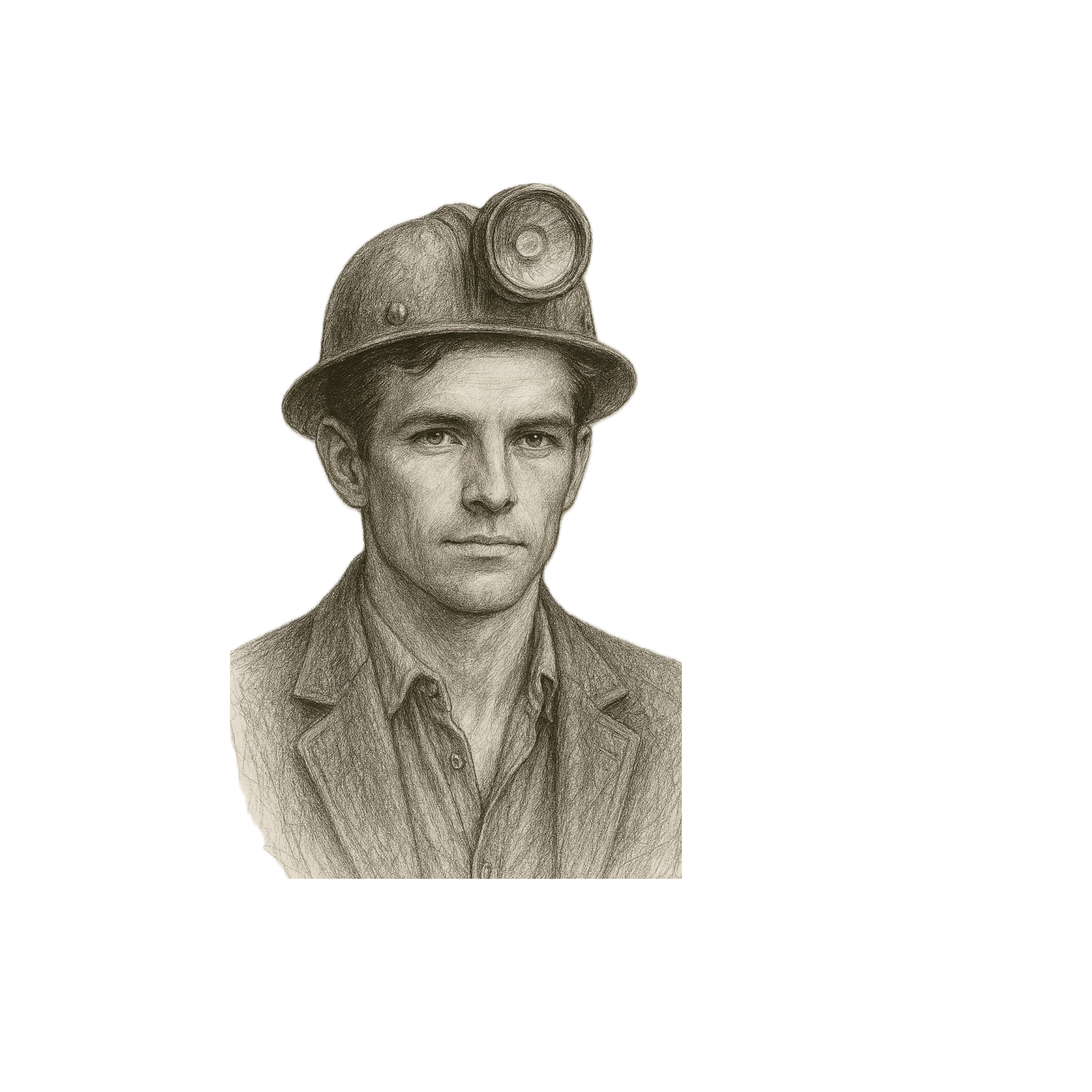
In the spring of 1907 when the copper veins of Butte pulsed through the mountain to the heart beat of fortunes, Sister Francisco Borrelia Magdalena de Delores arrived from Chicago wearing rosary beads of iron and a crucifix made of Dead Sea driftwood. She was a woman who could silence a saloon with one glare and end a men’s fist fight by standing between them and silently crossing her arms.
When she learned that boys as young as nine were being lowered into the mine shafts to work, she declared it a sin against heaven, chained herself the gates of the Original Mine and began reciting the Book of Jeremiah word for word from memory.
The foremen fumed.
The first day was a spectacle, as the children were meekly escorted through the gates - her shouted sermons echoing over the slag heaps. On the second day, cave-ins rumbled through separate mines and the miners were all sent home or to the saloons where lively debates about child labor turned in to fractious fist fights. The third day was biblical, as major lightning storms moved through the area. After the spooked miners refused to let the children through the gates, the foremen had Sister Magdalena physically removed to Sacred Heart Church where she continued to pray for intercession.
Then came the crash-
The statue of St Joseph – the patron saint of workers- had fallen from its pedestal - it’s plaster limbs scattered like relics. But amid the red dust and fragments, a red sapphire the size of a chalice gleamed brightly exactly where St. Joseph’s heart had been. Some say that it was a gift the Vatican had hidden during the Spanish wars. Some said it was a miner’s penance long ago sealed inside. But Sister Magdalena was sure it was a sign. She walked out into the storm and held it aloft, declaring “The sins of the mining moguls have been discerned!”
That week the children were put on temporary leave – never to restart through the years. Sister Magdalena had the jewel enshrined beneath the new cathedral in Helena, and she became known as the Iron Nun. Whether the Sacred Sapphire was a miracle or moonshined is up for debate. But, then again, what isn’t a blur of miracle and myth in the copper mines and confessionals and of old Butte?